Basseterre, St. Kitts, December 01, 2020 (SKNIS): Advocacy promotes equality, social justice, and inclusion, as well as human rights. As such, members of vulnerable groups in St. Kitts and Nevis are advocating for policies of inclusion and empowerment.
“We have to look at doing things differently. We have to ensure that we put policies in place and not just at social and gender affairs level but we have to look across the different ministries,” said Anthony Mills, member of St. Kitts and Nevis Association of Persons with Disability (SKNAPD), during the November 25 edition of ‘Working for You.’ “Social Security and the Labour Department have a part to play because people are living longer and people with disabilities, most of us are not sick people.”
Mr. Mills, who is the Manager and Facilitator for the Training Programme for SKNAPD, said that persons living with disabilities are at an unfair advantage.
“Our society needs to understand that young people with disabilities are currently being under-educated because we have this sort of one size fits all education for persons with disabilities, and it doesn’t work like that. Some are able to learn at a higher level and you should give them that opportunity,” said Mr. Mills. “To end some of the discrimination there needs to be more forums, education, and outreach ad that has to begin at the government level and across the board.”
Patricia Richards-Leader, Chief Executive Officer at the Grange Facility, shared similar sentiments noting that there must be an all-inclusive approach.
“It is quite discriminatory when you have the ‘them and us’ so you are not going to include people from the private sector because it has nothing to do with them. That’s where the knowledge-base is,” said Mrs. Richards-Leader.
Mrs. Richards-Leader noted that having a disability doesn’t mean that you can’t live a productive life and contribute to societal development.
“Just because you are in a wheelchair, just because you look a certain way – people with down syndrome and autism their body doesn’t stop working. And I think that is what we need to appreciate in our little country because we are so educated,” she said.
Some people, including people who would conventionally be categorized as disabled, use phrases like “differently-abled” to refer to disabled people. This phrase is used because it supposedly humanizes disabled people by focusing on our abilities rather than on our impairments.
-30-
Monday, August 17


Trending
- Government Launches 2026 Back-to-School Voucher for Every Eligible Child as Cost-of-Living Support Continues
- Emmy Award-Winning Journalist Jego Armstrong Announced as Featured Lecturer for 28 th PrimeMinister’s Independence Lecture Series
- NATIONAL DIGITAL HEALTH INFORMATION SYSTEM SUCCESSFULLY DEPLOYED AT JNF GENERAL HOSPITAL
- SCHOOL BUS FLEET STRENGTHENED AHEAD OF NEW ACADEMIC YEAR
- Saint Kitts and Nevis Champions Human Rights, Youth Leadership and Peace at 20th International Human Rights Summit
- Prime Minister Drew Urges Taiwan Scholarship Recipients To Return Home Ready to Contribute To National Development
- EDUCATION MINISTER WELCOMES LARGEST-EVER TAIWAN SCHOLARSHIP COHORT FOR SAINT KITTS AND NEVIS
- St. Kitts and Nevis Pursues New Medical Scholarship Pathway Through Taiwan Partnership
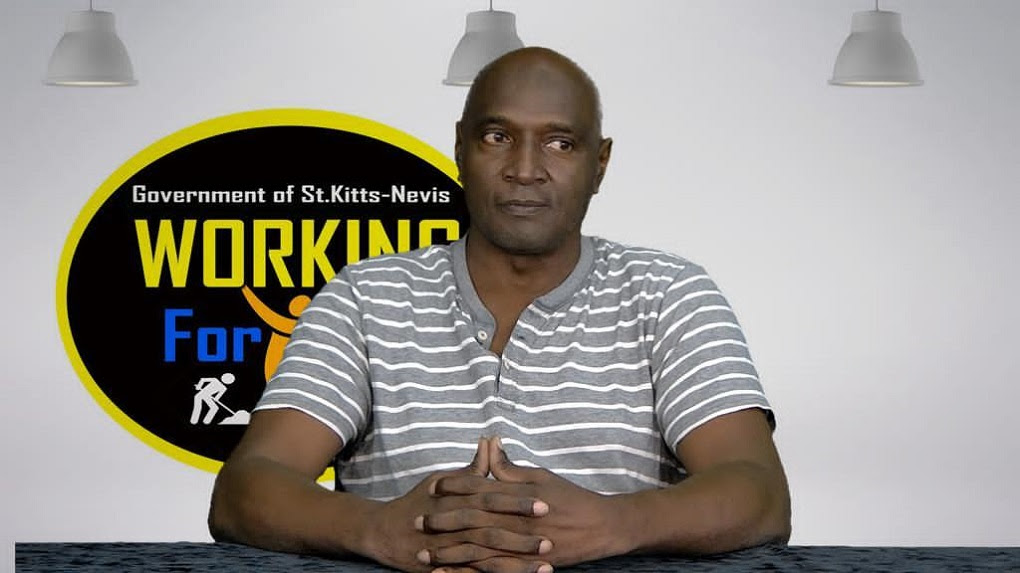
MR. ANTHONY MILLS OF ST. KITTS & NEVIS ASSOCIATION OF PERSONS WITH DISABILITY