

Basseterre, St. Kitts and Nevis, July 3, 2026 (UNESCO National Commission) – The Department of Gender Affairs is accelerating its work to ensure equal opportunities for all people in St. Kitts and Nevis, underpinned by stronger cross-government cooperation, evidence-based policy, and targeted youth development — with UNESCO playing a key supporting role in building national systems for monitoring and accountability.
A cornerstone of this effort was the establishment of the Gender Focal Point Committee in 2024. Comprising representatives from all Government Ministries, the Committee ensures that the lived realities of women and men, girls and boys, are integrated into the design and delivery of public policies, programs, and services.
In 2025, with technical and funding support from UNESCO, the Department finalized a Monitoring, Evaluation and Learning Framework (MELF) for the National Gender Policy and Action Plan 2025–2030. The MELF provides a clear, standardized system to measure progress, track results, and ensure the Policy’s goals are met. It equips Ministries to monitor successes, identify gaps, and make decisions grounded in data and evidence — reflecting UNESCO’s commitment to building institutional capacity for inclusion across Small Island Developing States.
Hon. Dr. Geoffrey Hanley, Deputy Prime Minister and Minister of Education, Gender Affairs, Ageing and Disabilities, stated:
“Gender equality is not a slogan — it is a standard we must measure, monitor, and meet. With UNESCO’s support, we now have the tools to turn policy into practice. From the classroom to the cabinet, every ministry is accountable for building a St. Kitts and Nevis where every girl and boy, woman and man, has a fair chance to thrive. That is how we deliver for our people.”
Recognizing that reliable data drives sound policy, the Department launched a comprehensive evaluation of the National Gender Statistics Database in 2026. This review assesses how information on women, men, girls, and boys is collected, stored, analysed, and applied. The objective is to strengthen data governance and ensure that timely, disaggregated statistics inform national planning and reporting.
H.E. Nerys Dockery, Secretary General, St. Kitts and Nevis National Commission for UNESCO, added:
“UNESCO’s role is to ensure that education, science, and culture advance dignity for all. By supporting the MELF and strengthening gender data systems, we are helping St. Kitts and Nevis translate global commitments into local results.
When we measure what matters, we protect what matters: equity, inclusion, and the potential of every citizen.”
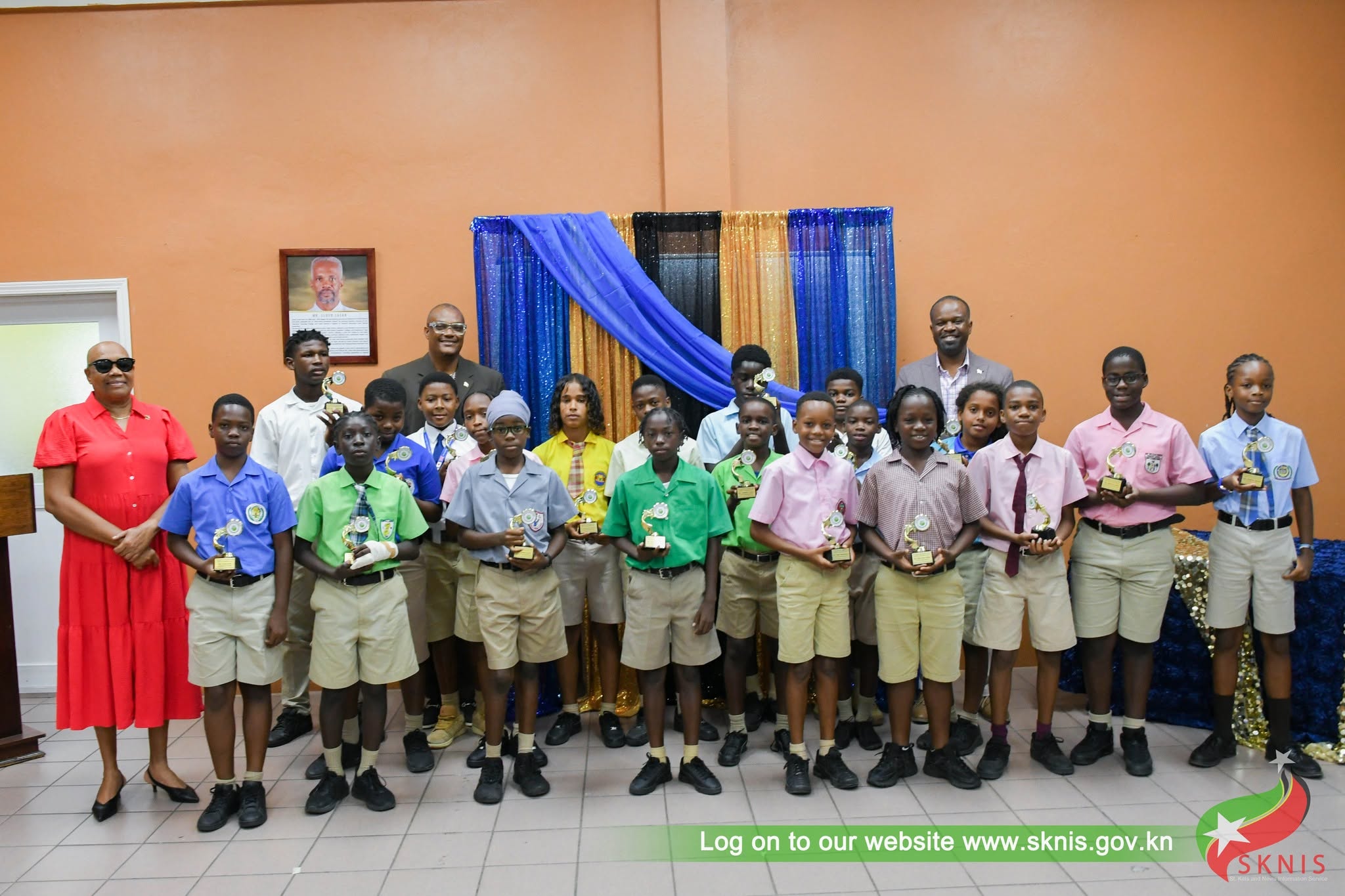
The Department’s commitment to supporting young males was further demonstrated by two landmark events in May 2026 The Boys of Excellence Awards on 15 May 2026 recognized primary school boys for their hard work, determination and positive contributions in areas such as academics, sports, leadership, responsibility and personal growth. The Awards celebrated primary school boys who serve as positive role models in their schools and communities.
On 21 May 2026, the Teen Boys Conference provided young men with opportunities to learn, reflect and develop important life skills. The session covered topics such as self-confidence, setting goals, exploring healthy relationships, understanding the value of education and learning about personal health, and well-being. The conference encouraged participants to make positive choices and work towards achieving their goals, Together, these initiatives reflect the Government’s ongoing commitment to creating equal opportunity for all, improving accountability, using reliable information to guide decision-making and investing in the development of the nation’s youth.
Through strong partnerships, improved monitoring systems, and targeted programs, St. Kitts and Nevis
continues to build a society where everyone can succeed and contribute to national development
Behind the scenes at UNESCO HQ in Paris, the Federation’s Ambassador to UNESCO, Dr. David P. Doyle,
acknowledged the importance of the role of this specialised UN agency in two specific areas of its mandate -education and human sciences – in delivering a high level of expertise in contributing to the St. Kitts and Nevis gender policy framework: “A formidable four-year intervention by UNESCO gender experts has enabled St. Kitts and Nevis to develop the technical tools and mechanisms to strengthen national capacity and promote evidence-based planning to, ultimately, establish a Gender Statistics Database for the improvement of data quality, collection, and reporting,
informing better national policy”.